Railroad Scales in Longmont, Colorado
Heavy-Duty Railroad Scales for Bulk Material Handling
Businesses searching for a Longmont railroad scale need equipment capable of producing accurate measurements under heavy loads, frequent traffic, and demanding outdoor conditions. Static and weigh-in-motion systems help rail-served operations across Boulder County, Weld County verify shipments, monitor material movement, maintain accurate records, and improve transportation workflows.
Scales Sales & Service supplies durable railroad scale systems configured around each facility’s rail traffic, site infrastructure, weighing requirements, and data needs. Our team also provides professional installation, calibration, preventative maintenance, inspections, and repair to help customers maintain accuracy and minimize costly operational interruptions.
✓Static and weigh-in-motion railroad scale options
✓Professional installation and system startup support
✓Calibration, inspections, and preventative maintenance
✓Responsive troubleshooting and railroad scale repair
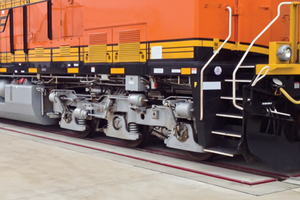
Better Weight Data for Longmont Rail Operations
A dependable Longmont, Colorado railroad scale provides valuable information about the materials entering and leaving a facility. When connected with reporting and management systems, accurate railcar weights can improve documentation, strengthen material tracking, and support more informed operational decisions.
Inventory Tracking
Monitor incoming and outgoing materials using accurate railcar weights and organized transaction records.
Shipment Verification
Confirm load quantities and maintain dependable documentation for billing, reporting, and rail transactions.
Software Connectivity
Integrate weighing equipment with ticketing, reporting, inventory, and operational management platforms.
Centralized Reporting
Organize rail weight information for easier review, analysis, recordkeeping, and operational accountability.


Protecting Railroad Scale Accuracy and Performance
Professional installation, routine calibration, preventative maintenance, and timely repairs all contribute to dependable railroad scale performance. For businesses in Longmont, Colorado, maintaining an accurate rail weighing system helps protect shipment records, inventory data, billing information, and day-to-day material accountability.
Scales Sales & Service supports railroad scales throughout their operating life, from initial system planning and installation to inspections, calibration, maintenance, troubleshooting, and upgrades. Whether you need ongoing service for existing equipment or a new Longmont, Colorado railroad scale, our experienced team can recommend a solution tailored to your operation. Request a quote or service appointment today.


Additional Colorado Railroad Scale Locations:
Longmont, Colorado Railroad Scale FAQs
What are railroad scales used for?
Railroad scales weigh railcars carrying agricultural products, aggregates, minerals, raw materials, finished goods, and other bulk commodities. Accurate measurements support shipment verification, billing, inventory control, material accountability, and regulatory compliance.
Should my operation use a static or weigh-in-motion railroad scale?
Static scales weigh railcars while they are stopped and are often selected when precise individual measurements are the priority. Weigh-in-motion systems capture weights as railcars move across the scale, making them well suited for operations focused on higher throughput. The right system depends on traffic volume, accuracy requirements, and workflow.
What factors should be considered when selecting a railroad scale?
Important considerations include railcar types, anticipated loads, traffic frequency, track configuration, site conditions, processing speed, reporting requirements, and future expansion plans. Scales Sales & Service can evaluate these factors and recommend a suitable Longmont, Colorado railroad scale.
Can railroad scales connect with reporting and inventory systems?
Yes. Many railroad scale systems can connect with ticketing, reporting, inventory-management, and operational software. These integrations can reduce manual data entry, improve recordkeeping, and provide better visibility into rail shipments and material movement.