




When Should Nebraska Businesses Calibrate Their Commercial Scales?
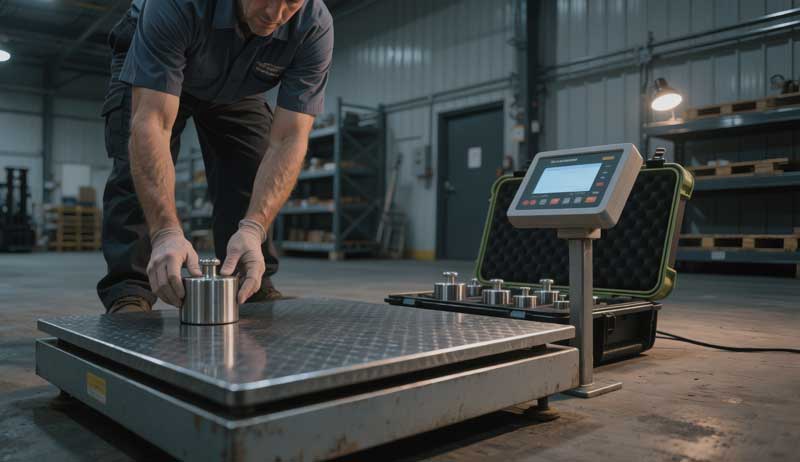
Commercial scales are crucial for various sectors such as agriculture, manufacturing, logistics, food processing, shipping, as well as retail. Even the tiniest mistake in weight measurement by the scales could affect inventories, the production process, or costs related to the delivery of goods. Hence, companies in Nebraska need regular scale calibration (Nebraska) for commercial use. But how often does it need to be done? The frequency of calibration will depend on a number of practical factors.
Read this blog to understand why scale calibration matters and when you should calibrate your scales.
The Importance of Calibrating Commercial Scales
A scale can become inaccurate over time due to wear and tear and/or deterioration of its components and due to environmental factors. Calibration provides information about whether the scale is working accurately and allows prompt correction of discrepancies, preventing bigger problems down the road.
According to the NIST Handbook 44, there are several technical requirements and tolerances to be observed when using and applying weighing and measuring instruments in commercial sectors. The purpose of using this handbook is to establish exact and reproducible measurements and promote honest transactions between customer and supplier as well. In brief, the companies are encouraged to use the technology of regular calibrations, which enables them to get reliable measurements when weighing products.
When Is Commercial Scale Calibration Needed?
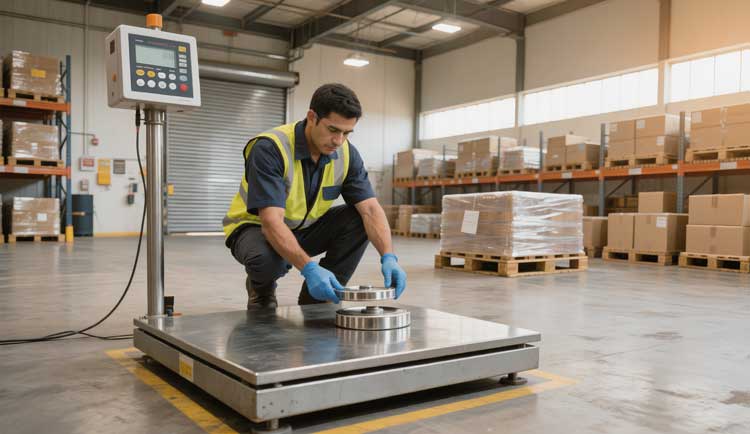
There’s no single interval that fits all commercial scales in need of calibration. Businesses should factor in equipment usage, conditions of operation, warranties, and other requirements when considering calibration. Here are a few situations when calibration is necessary.
After Installing or Moving a Scale to a Different Location
Commercial scales should undergo checks and calibration immediately after installation and whenever they change location. This is because moving large pieces of equipment can impact levelness, alignment, base supports, and other factors that will influence weighing.
After Repairs or Part Replacements
Another situation when businesses have to perform calibration on their scales is after carrying out important repairs or replacing parts of the machine, since they can affect its efficiency and precision.
Scale Readings are Unreliable
Unexpected variations between any two measures are a useful indicator. If the readings differ significantly, if an unusual zero shift occurs, or if the scale shows readings that do not agree with its known weights, it means your scale is in dire need of inspection and calibration.
Heavy Usage
Scales that are continually active, especially in manufacturing or shipping factories, are likely to wear more than those being used infrequently. Other factors affecting the functioning of the equipment include moisture, dust, heavy loads, vibrations, and temperature changes. Companies with challenging operating conditions will benefit more from planning their schedule for using their scales based on the frequency of usage rather than waiting for issues to arise.
Accidental Damage or Impact
Heavy machinery such as forklifts or pallets can cause stress and damage to commercial scales. That is why, if a scale sustains an impact or an overload, an accuracy check and calibration are necessary before the equipment is used for weight measurement to ensure accuracy and quality control.
Regulatory Requirements
Companies utilizing scales during sales should be aware of the regulations pertaining to their equipment maintenance in their sector. As regulations differ depending on the case, it’s advisable that businesses using commercial scales in their daily operations follow the calibration specifically advised by the industry regulations.
Conclusion
Routine calibration of scales is key for businesses that need absolutely accurate weight readings and to detect any accuracy issues early on before they create problems for business operations. The calibration schedule should depend on the scale usage and the regulatory and industry requirements.
If you're looking for scale calibration in Nebraska, 247 Scale Sale & Services is the trusted partner to help with weighing solutions regarding weighing equipment and related support, including calibration. Call today to discuss your weighing needs!